Devon Hartmann · 13 October 2026
New England Woodlot Owners Explore Carbon Credit Markets Through Regional Initiatives
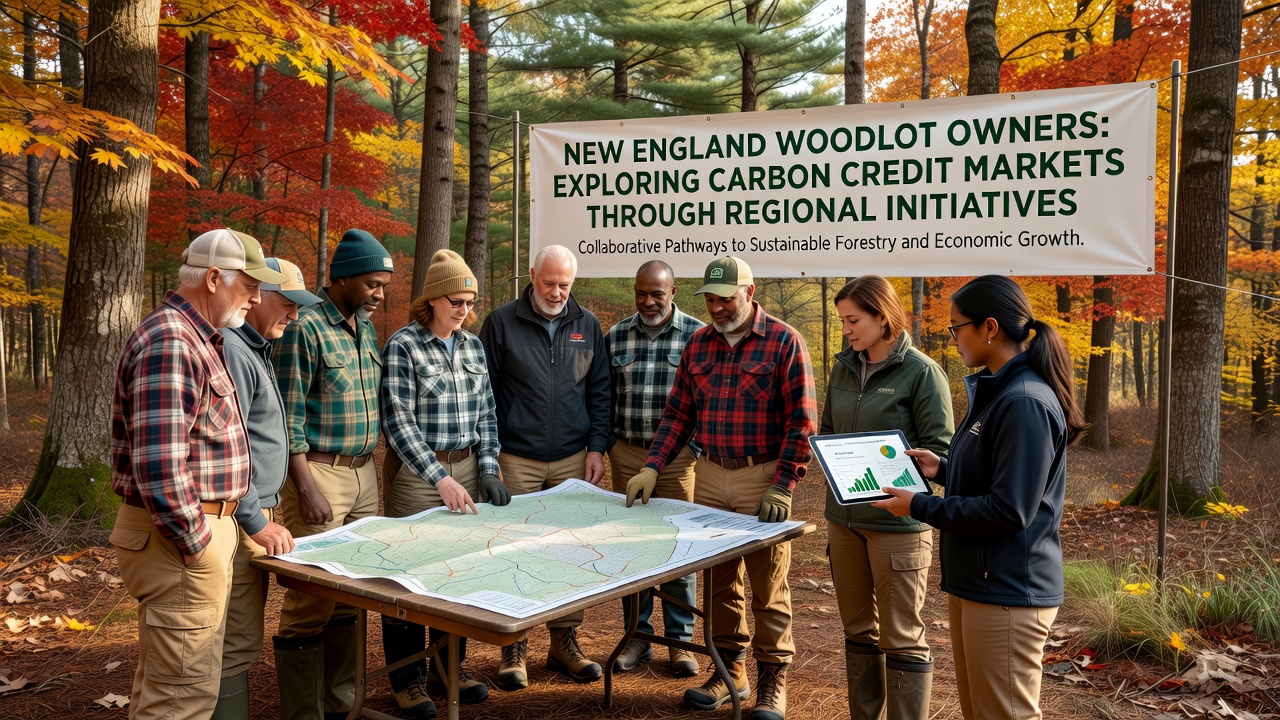
Woodlot owners across Maine, New Hampshire, Vermont, and Massachusetts have increased participation in carbon credit programs over the past several years, and regional initiatives continue to connect private landowners with voluntary markets as of October 2026. These efforts focus on forest carbon sequestration as a measurable service that generates credits sold to companies and organizations seeking to offset emissions. Data from the USDA Forest Service shows that enrolled acres in New England have grown steadily since 2020, with private woodlots representing a significant portion of the total.
Carbon Credit Basics for Forest Landowners
Forest carbon credits represent verified reductions or removals of carbon dioxide achieved through practices such as extended harvest rotations, selective thinning, and protection against conversion to non-forest uses. Protocols developed by organizations including the American Carbon Registry and Verra require third-party audits that measure baseline carbon stocks and track changes over time. Landowners receive payments based on the number of credits generated, and those funds often supplement traditional timber income on properties ranging from 20 to 500 acres. Studies conducted by university researchers at institutions such as the University of Maine and the University of Vermont indicate that mixed hardwood-conifer stands common in the region can sequester between 2 and 4 metric tons of carbon dioxide equivalent per acre annually under improved management.
Regional Initiatives Driving Participation
Several coordinated programs now operate across state lines to reduce transaction costs and standardize enrollment for smaller woodlots. The New England Forest Carbon Program, launched through partnerships among state forestry agencies and nonprofit organizations, provides technical assistance and aggregates acreage from multiple owners to meet minimum thresholds required by credit registries. In October 2026, updated mapping tools released by these groups allow landowners to estimate potential credit yields using LiDAR data combined with field inventory records. Similar efforts appear in the Northeast Carbon Cooperative, which connects participants in Vermont and New Hampshire with buyers in industries including manufacturing and energy production. Figures released by the USDA Natural Resources Conservation Service reveal that cost-share funding through the Environmental Quality Incentives Program has supported baseline assessments on more than 15,000 acres in the region since 2023.
Enrollment Process and Requirements
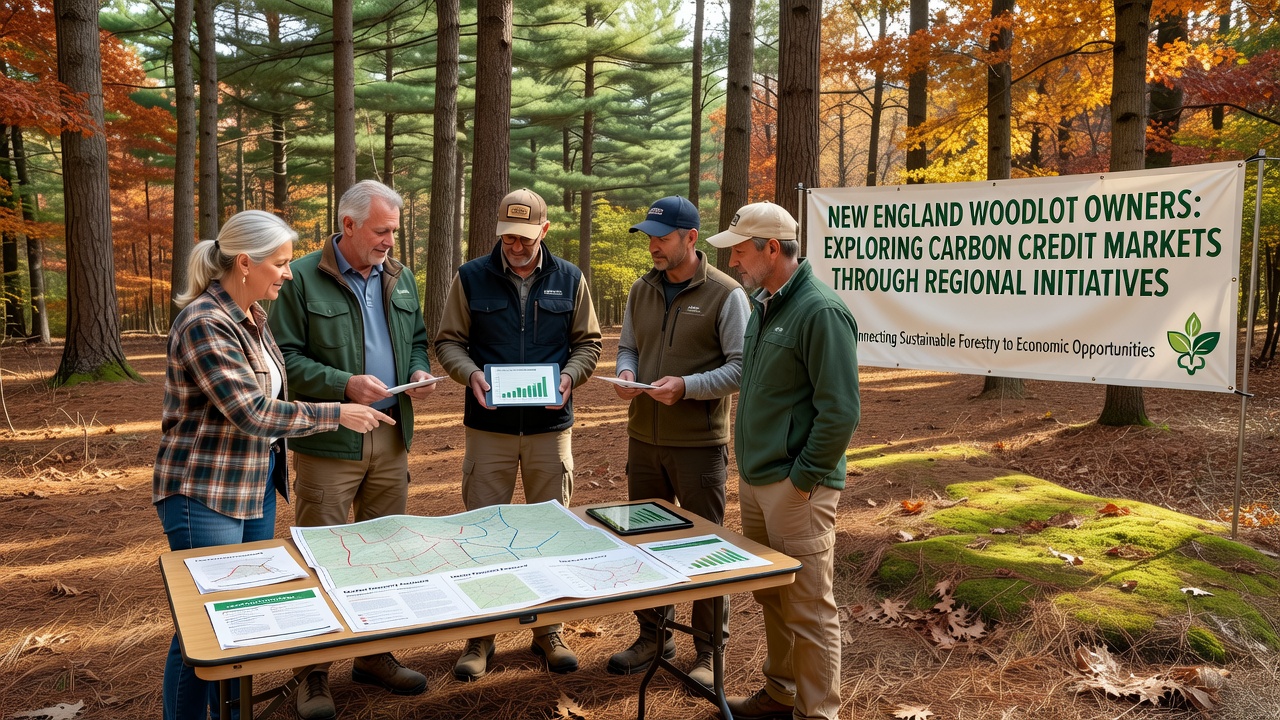
Owners typically begin by contacting a certified forester or program coordinator who conducts an initial inventory to establish carbon baselines. Contracts often span 20 to 40 years, during which management plans must follow approved practices that maintain or increase stored carbon. Verification occurs at regular intervals through remote sensing and on-site sampling, and any deviation from agreed-upon harvesting limits can result in credit reversals that require repayment. Regional initiatives have introduced pooled insurance mechanisms that protect participants against losses from natural disturbances such as windstorms or insect outbreaks. According to records maintained by the California Air Resources Board, which oversees a compliance market that accepts some forestry offsets, New England projects have supplied a growing share of offset credits used by regulated entities in recent compliance periods.
Data on Acreage and Credit Volumes
Registry data compiled through 2025 shows that New England woodlots enrolled in voluntary carbon projects total approximately 180,000 acres, generating an average of 85,000 credits per year. The majority of these credits originate from improved forest management rather than afforestation or avoided conversion. A report issued by the Forest Stewardship Council notes that certified woodlots in the region demonstrate higher rates of participation because existing management plans align closely with carbon protocol requirements. Participation rates vary by state, with Vermont reporting the highest percentage of eligible private forestland enrolled, followed by Maine and New Hampshire. Monitoring conducted by state agencies indicates that enrolled properties maintain canopy cover and species diversity at levels consistent with or above regional averages.
Integration with Existing Woodlot Management
Carbon programs operate alongside traditional timber management, recreational leasing, and maple syrup production on many properties. Foresters adjust harvest schedules to retain larger trees that store more carbon while still generating periodic income from selective cuts. Regional initiatives often provide templates that integrate carbon objectives into standard forest stewardship plans required for state cost-share programs. Owners who combine enrollment with certification under sustainable forestry standards report streamlined record-keeping because documentation overlaps. Data collected by the Northern Forest Center shows that properties participating in both carbon markets and state current-use tax programs experience reduced annual tax burdens that further improve net returns from credit sales.
Conclusion
Regional initiatives have established clear pathways for New England woodlot owners to access carbon credit markets, supported by technical resources, aggregated enrollment models, and verification protocols that meet registry standards. Participation continues to expand as of October 2026, driven by available cost-share funding, improved mapping tools, and buyer demand for forestry offsets. Landowners who complete baseline inventories and commit to approved management practices generate credits that contribute to both regional forest conservation goals and broader emissions reduction efforts tracked through national and international registries.