Uma Braun · 27 October 2026
Northeast Family Alliances Turn to Shared Equipment Pools for Precision Thinning in Mixed Stands
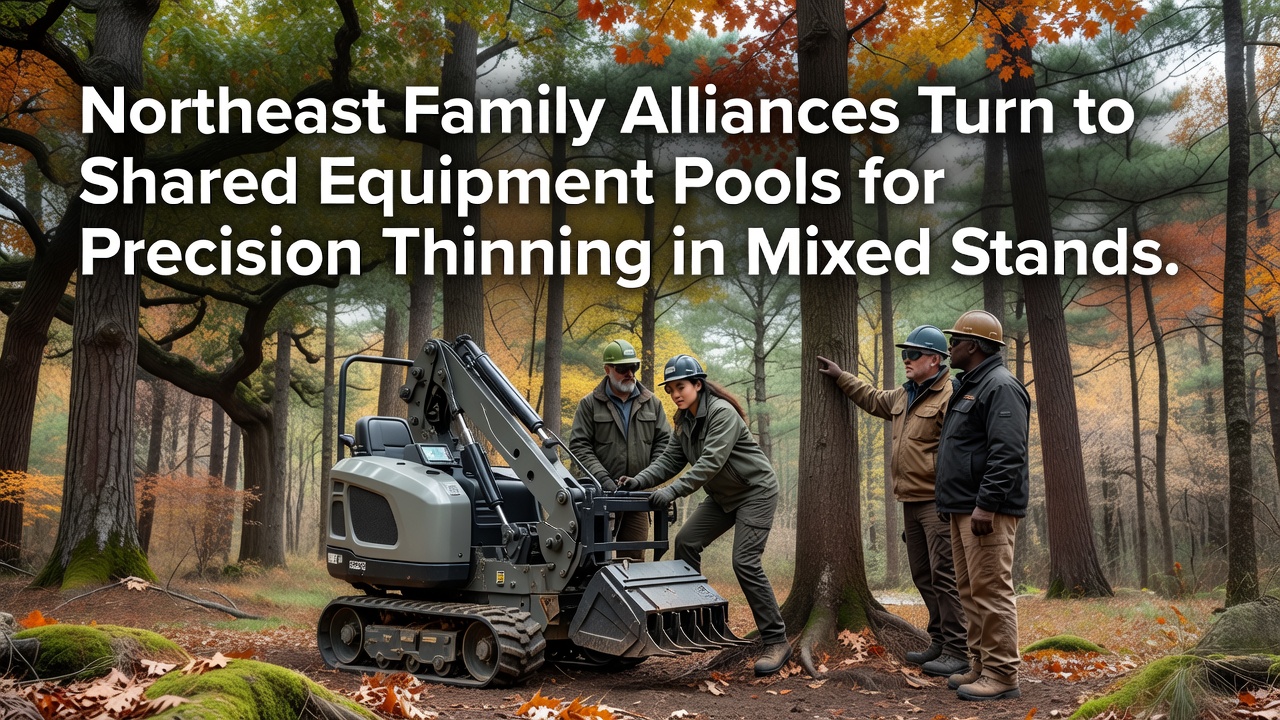
Family forest owners across the Northeast have formed alliances that pool specialized thinning equipment, and this approach addresses the practical demands of managing mixed stands where species composition varies widely within small parcels. Data from regional forestry programs indicate that these cooperatives emerged as landowners sought cost-effective access to precision tools such as GPS-guided harvesters and selective feller-bunchers designed for stands containing both hardwoods and conifers.
Challenges of Precision Thinning in Mixed Stands
Mixed stands present distinct operational hurdles because tree diameters, spacing, and species respond differently to removal patterns, and observers note that individual owners often lack the capital for equipment calibrated to these variables. Research from university extension services shows that traditional single-owner operations frequently result in uneven canopy gaps or unintended damage to residual stems when operators rely on general-purpose machinery. Shared pools mitigate these issues by distributing the expense of advanced units that incorporate real-time stem mapping and automated cut decisions calibrated for mixed-species densities.
Equipment sharing agreements typically outline usage schedules, maintenance responsibilities, and operator training requirements, while regional data collected through state forestry agencies reveal that participation rates among family woodlots increased steadily through 2025. Alliances often coordinate across county lines, allowing members in Vermont, New Hampshire, and Maine to rotate access during seasonal windows when soil conditions permit low-impact entry.
Structure and Operation of Equipment Pools
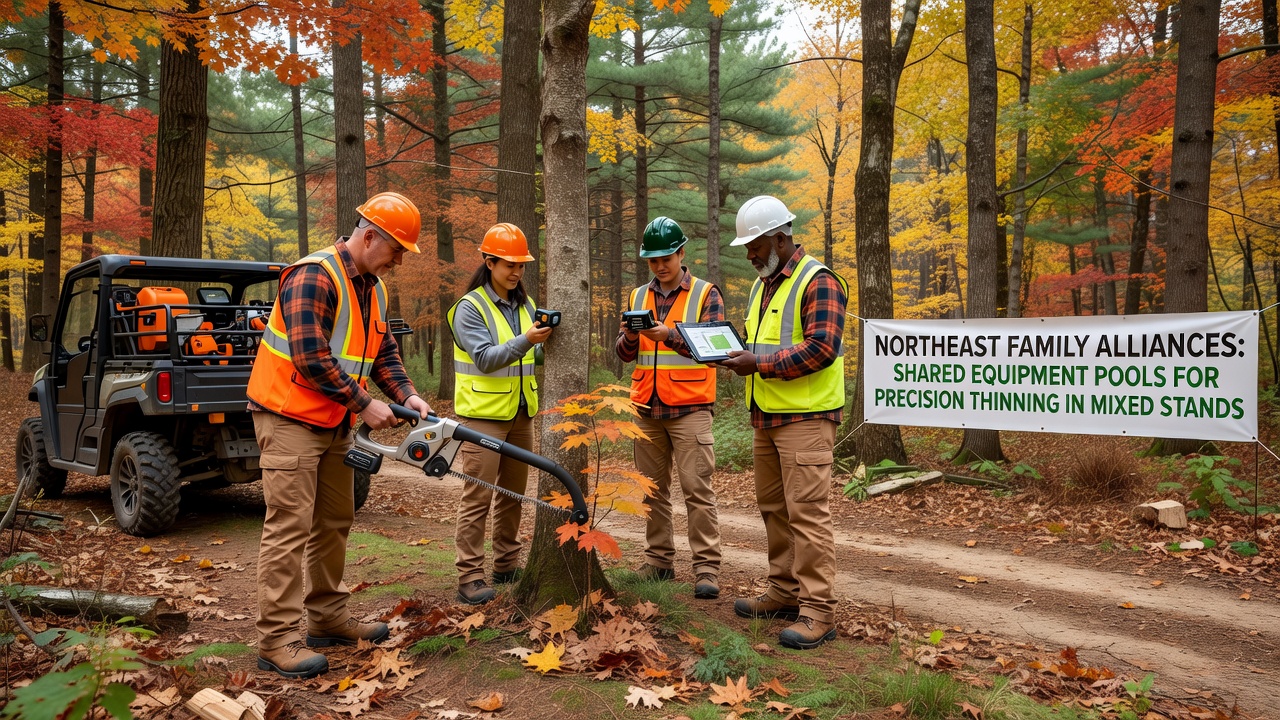
Alliances establish formal membership structures that require annual contributions scaled to acreage or anticipated thinning volume, and these funds cover insurance, transport, and calibration services for the shared fleet. Operators receive certification through programs offered by cooperative extension offices, which emphasize techniques that maintain stand diversity while achieving target basal area reductions. One documented case involves a group of twelve landowners who acquired a multi-function processor equipped with species-recognition sensors, and usage logs indicate the machine completed thinning cycles on 340 acres during the 2025 growing season.
Precision thinning protocols within these pools rely on pre-treatment inventories that classify stems by diameter class and merchantability, and members report that collective data sets improve the accuracy of removal prescriptions compared with isolated parcel assessments. Software platforms used by the alliances integrate LiDAR-derived canopy models with ground-truth measurements, enabling operators to execute cuts that favor retention of mast-producing hardwoods alongside conifer crop trees.
Adoption Trends and Regional Data
Figures compiled by the U.S. Forest Service through the Forest Inventory and Analysis program indicate that family-owned parcels under 50 acres constitute the majority of private forestland in the Northeast, and cost barriers have historically limited adoption of precision practices on these holdings. Alliances formed since 2023 have expanded access, with membership lists showing representation from both established multi-generational owners and newer entrants who purchased parcels for recreational and timber objectives. In October 2026, several alliances plan to release aggregated thinning outcome reports that will include post-treatment growth measurements and species composition shifts recorded across participating stands.
Training sessions conducted by alliance coordinators emphasize calibration of equipment for local species mixes, including northern hardwoods with scattered spruce-fir components, and participants practice on demonstration plots before operating on member properties. Data collected from these sessions show reduced residual stand damage rates when operators use the pooled precision units versus conventional methods.
Integration with Broader Forest Management Objectives
Shared equipment pools align with silvicultural guidelines that promote structural diversity in mixed stands, and state natural resource departments have begun referencing these cooperatives in outreach materials distributed to private landowners. The approach supports objectives such as maintaining wildlife habitat corridors while generating periodic timber revenues, and alliance members coordinate thinning schedules to avoid simultaneous entries that could concentrate equipment traffic on shared access roads. External analysis from academic forestry programs at institutions such as the U.S. Forest Service highlights measurable improvements in residual tree vigor following precision operations conducted through pooled resources.
Logistical coordination includes shared transport trailers and centralized storage facilities, which reduce individual owner overhead and ensure equipment remains available during narrow weather windows typical of Northeast autumn operations. Members also exchange post-thinning monitoring data, creating informal networks that track regeneration success across multiple ownerships.
Conclusion
Equipment pooling arrangements among Northeast family alliances demonstrate a scalable model for delivering precision thinning to mixed stands where individual investment would otherwise remain prohibitive. Ongoing data collection through 2026 will provide further metrics on stand response and cost distribution, and these records will inform refinements to alliance governance and equipment specifications. Regional forestry networks continue to track participation levels and operational outcomes as additional landowners evaluate membership.